Navigating Change: Strategies for Prevention Leaders
Change is nothing new to prevention professionals. Every few years there's a new grant cycle, a new funding landscape, a new set of priorities. But right now? It feels different.
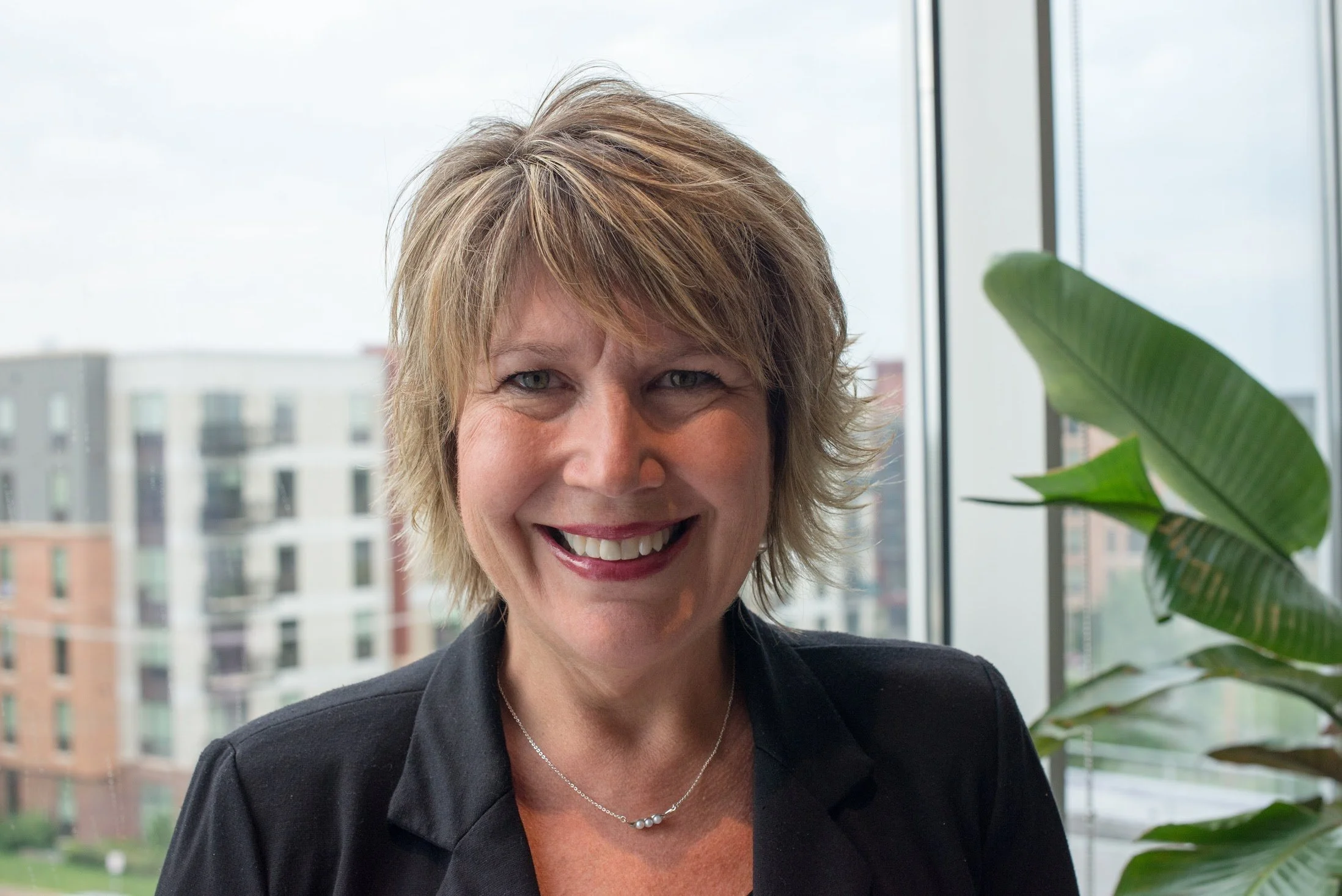
In a recent episode of the Prevention Leaders Podcast, Dave Closson sat down with Angie Asa-Lovstad of Asa Facilitation — a facilitator and prevention veteran with 25+ years of experience — to talk honestly about what it means to lead through uncertainty, forced change, and the kind of disruption that feels like the rug getting pulled out from underneath you.
Here's what they covered.
The Change Formula: A Simple Diagnostic for Stuck Teams
Angie shared a change formula she's leaned on throughout her career:
Dissatisfaction with the status quo × Vision × First Steps = Overcoming Resistance to Change
The key insight? It's multiplication, not addition. If any one element is zero, the whole thing stays zero. That means your team's resistance to change won't budge unless all three are present.
Dissatisfaction — Do people actually feel the pain of staying the same? Data storytelling is your tool here. Paint the picture of what's not working. Help communities move from denial to vague awareness to genuine readiness.
Vision — This is where hope lives. If people don't know where they're headed, it's hard to get out of bed and show up. Facilitate conversations that let people dream big and imagine what's possible.
First steps — Big visions feel paralyzing without a starting point. Collectively identify the low-hanging fruit. Win the first small thing, and the next one gets easier.
The Accountability Ladder: From Victim Mindset to Ownership
Angie connected the change formula to the Accountability Ladder (developed by Bruce Gordon with NCAAP) — a tool that helps diagnose where people are stuck.
At the bottom: blame, victim mentality, "it's always been this way." At the top: ownership, can-do attitude, taking action. The ladder isn't about shaming people — it's about meeting them where they are and asking: What would it take to move up just one rung?
When someone says "nothing I can do," that's dissatisfaction with the status quo landing at zero. The job of a prevention leader is to stir the kettle — surface the data, create the conversation, and help people see that something can be done.
When Change is Forced on You
For coalitions and prevention teams navigating funding disruptions and structural shifts, Angie offered a reframe: think of it like cleaning out your closet. Everything's been thrown on the bed. You didn't ask for it. But not everything needs to go back in — and the things that do might get rearranged in a better way.
Accepting the disruption — not denying it — is the first step. Then the change formula kicks back in: Okay, this is the hand we've been dealt. What's our vision for what's next? And what's the first thing we can do?
Resilience and Psychological Safety
Dave and Angie also explored the concept of resilient organizations — not just resilient individuals. Using the image of a professional surfer, the goal isn't to stop the waves (you can't). It's to build the skills, the team, and the infrastructure to ride them as they come.
Critical to that resilience? Psychological safety. As Amy Edmondson describes it, psychological safety takes off the brakes that keep people from achieving what's possible. In a time when prevention professionals are stretched, emotionally taxed, and uncertain about the future, leaders have to:
Model vulnerability first. Show up honestly. Say "I'm not okay today" — and mean it.
Create space for different processors. Some people think out loud; others need quiet time. Building in that space isn't weakness — it's smart facilitation.
Honor that engagement looks different for everyone. The person with their arms crossed might be your most deeply focused listener.
The Power of Conversation
Angie closed with what she called the foundation underneath all of it: conversation itself. Using the SEED model, she described how real change begins when people can surface what they see, explore what it means, evaluate what they're working with, and decide on a path forward — together.
As Dave put it: the art and skill of conversation is the foundational, fundamental skill for anyone working in prevention.
🎧 Listen to the full episode:
▶️ Listen on your favorite platform:
Spotify | Apple | Amazon Music | iHeartRadio | Overcast | Pocket Casts | Radio Public